
Branding photography is one of the most powerful tools you can invest in for your business — not just because it looks polished, but because it gives you a visual foundation you can use everywhere. When people think about branding photography, they often imagine a handful of headshots and maybe a few lifestyle images. But modern branding photography goes far beyond that. It’s about creating a strategic, versatile visual library that supports your business across platforms, seasons, and content goals.
A strong branding session isn’t just about taking pretty photos. It’s about taking useful photos — images that work hard for you, images that support your messaging, images that elevate your marketing, and images that feel intentional in every context your audience encounters them. When you understand the different types of branding photos and how they function, you can plan a session that feels aligned with your brand, your offers, and your long‑term goals.
Below is a deep dive into the most useful types of branding photos, why they matter, and how to use them effectively in your business.
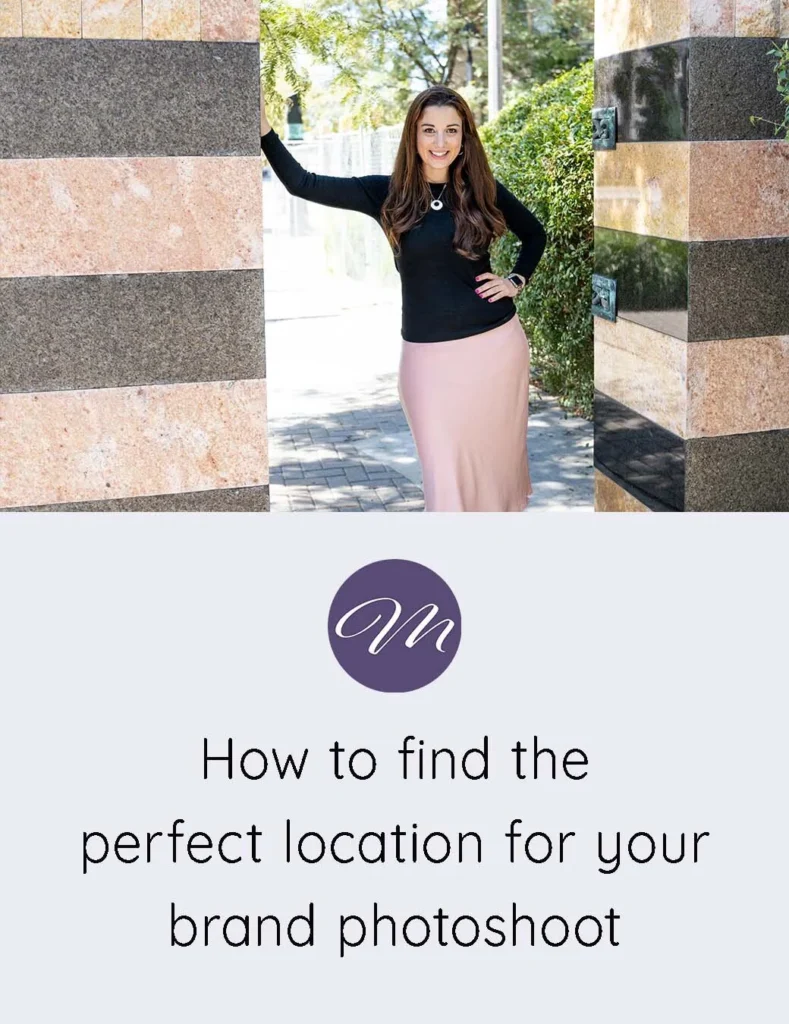
If you’re planning a session soon, you may also want to read How to Find a Location for Your Brand Photoshoot for more guidance.
1. Hero Images
Hero images are the first photos people see when they land on your website. They usually appear in the banner or header section — the most visible, high‑impact area of your site. These images act as the visual handshake of your brand.
Hero images are typically:
- strong, clear, and polished
- visually representative of your brand
- mid‑length or full‑body shots
- styled in a way that feels intentional and cohesive
These images communicate your presence, your energy, and your professionalism within seconds. They set the tone for your entire website experience. A strong hero image says:
“This is who I am — and this is what I do.”
Because hero images carry so much weight, they need to feel aligned with your brand identity. If your brand is calm and minimal, your hero image should reflect that. If your brand is bold and energetic, your hero image should carry that energy. This is why planning your wardrobe, location, and overall aesthetic matters — your hero image becomes the anchor for your entire visual ecosystem.
2. Action Shots
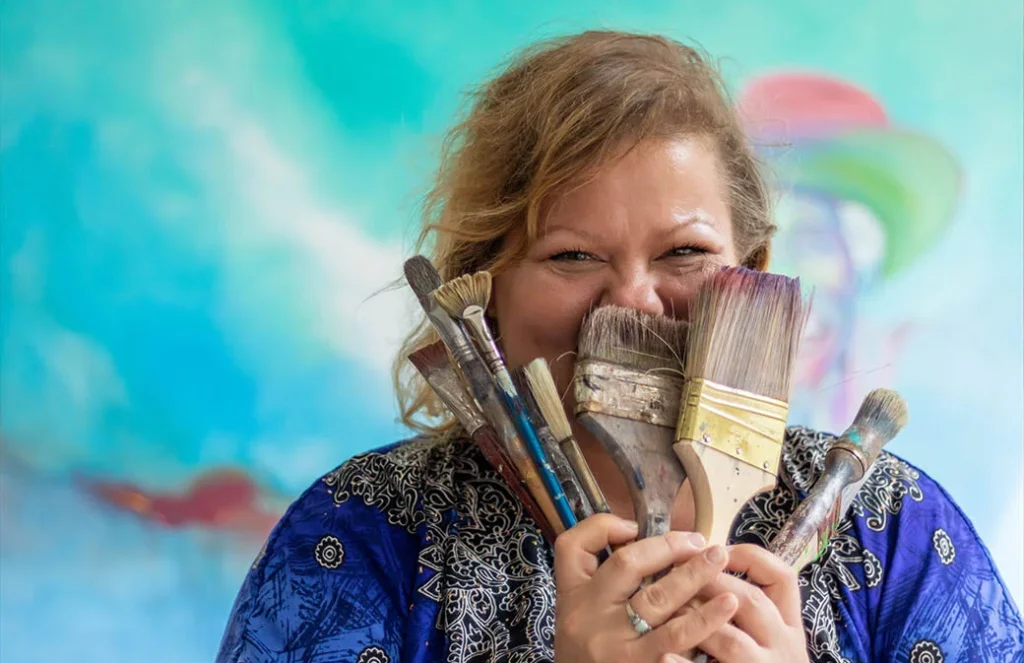
Action shots show you doing your work — not just posing for the camera. These images are essential because they help your audience understand what working with you actually looks like. They bring your process to life.
Examples of action shots include:
- teaching or presenting
- working on your laptop
- writing or sketching
- talking to a client
- creating something with your hands
- reviewing notes or planning
- interacting with your tools or materials
Action shots are powerful because they answer a question your audience always has, even if they don’t say it out loud:
“What does it look like to work with you?”
These images help your audience visualize themselves in the experience. They create connection, clarity, and trust. They also work beautifully across your website — especially on your Services page, About page, and any section where you describe your process.
Action shots also perform extremely well on social media because they feel natural and relatable. They show movement, intention, and authenticity — all qualities that help your audience feel closer to you.
3. Detail + Environmental Images
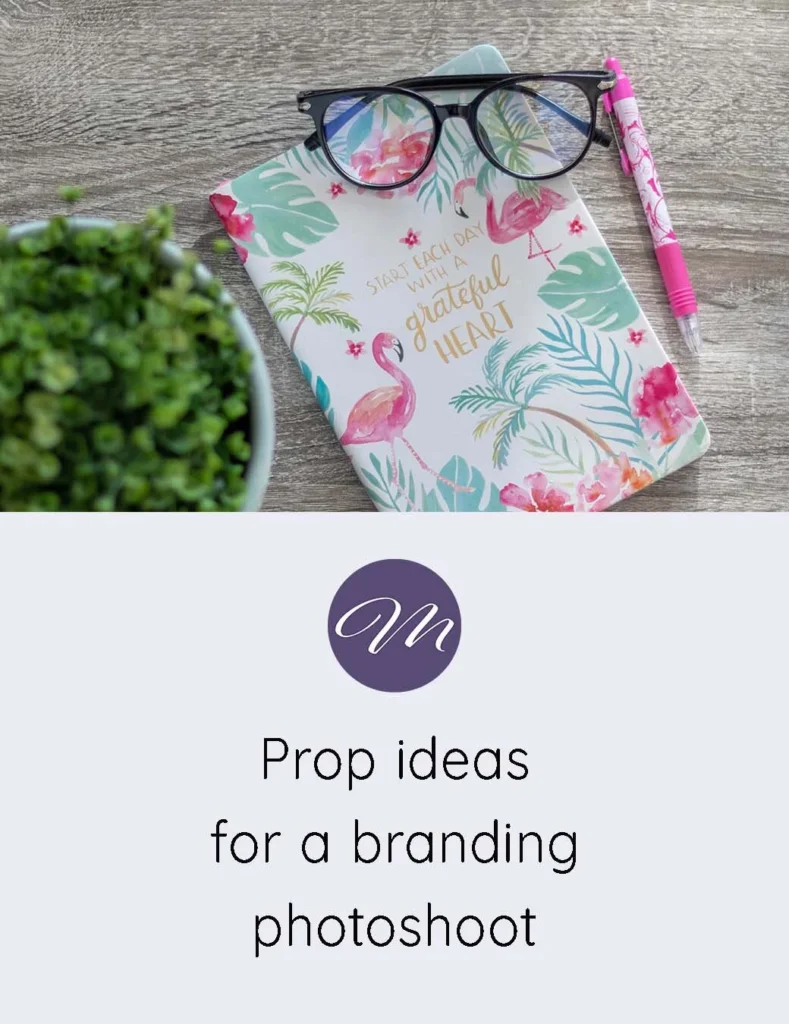
Detail photos and environmental images are the quiet heroes of branding photography. They add texture, depth, and context to your visual library. These images are subtle, but they’re incredibly useful — especially for content creation.
Examples include:
- hands writing in a notebook
- close‑ups of tools, materials, or equipment
- workspace details
- coffee cups, books, or objects that reflect your brand aesthetic
- environmental shots that show your surroundings
These images are perfect for:
- blog headers
- social media backgrounds
- Pinterest graphics
- email newsletters
- website sections that need visual breathing room
- marketing layouts
- quote graphics
- filler images between portraits
Detail images help you maintain a consistent visual voice even when you’re not in the photo. They give you more variety, more flexibility, and more ways to communicate your brand story without always relying on portraits.
They also help break up text-heavy sections on your website, making your content easier to read and more visually engaging.
4. Casual Portraits
Not every branding photo needs to be polished or posed. Casual portraits are the images that feel relaxed, approachable, and human. They often include natural movement, softer expressions, or candid moments.
These images work beautifully in:
- About pages
- social stories
- newsletters
- welcome sequences
- blog posts
- testimonials or quote graphics
- personal updates
Casual portraits create relatability — and relatability builds trust. When your audience sees you in a natural, unforced moment, they feel more connected to you. These images help balance the more polished hero shots and give your brand a sense of warmth and approachability.
They’re also incredibly useful for long‑term content because they feel timeless and versatile. You can use them again and again without them feeling repetitive.
5. Product or Offer Shots
If your business includes tangible products or digital services, product and offer shots are essential. These images help your audience understand what you offer at a glance.
Examples include:
- your physical product in context
- print materials
- workbooks or planners
- digital screens with layouts
- mockups of your digital products
- behind‑the‑scenes of your creation process
These images are especially important for:
- sales pages
- product listings
- launch graphics
- email marketing
- Pinterest pins
- ads
- course or program pages
Product and offer shots aren’t just decorative — they’re functional. They help your audience make informed decisions. They show the value of your work. They clarify what someone is buying. And they elevate your brand by making your offers look professional and intentional.
6. Seasonal or Campaign Images
Seasonal and campaign images are created specifically for:
- launches
- promotions
- announcements
- events
- seasonal content
- new offers
- rebrands
- special projects
These images help your brand stay current and relevant throughout the year. They give you fresh content for marketing pushes and help you avoid scrambling for visuals at the last minute.
Campaign images are especially useful for:
- Black Friday or holiday promotions
- new product launches
- course or program enrollment periods
- seasonal newsletters
- website updates
- social media campaigns
Having these images ready in advance saves time, reduces stress, and keeps your visuals aligned with your marketing timeline.
If you’re considering hiring a photographer for this type of work, you may also want to read 3 Reasons to Hire a Brand Photographer for more insight.
Why Variety Matters
If all your branding photos look the same — same pose, same angle, same outfit, same energy — your content quickly becomes repetitive. Variety is what gives your brand flexibility and longevity.
A strong branding session gives you:
- versatility
- images for different platforms
- content for different seasons
- photos that feel intentional in every use
- a library you can pull from for months (or years)
This isn’t about taking more photos. It’s about taking more useful photos.
When you have a diverse collection of images, you can show up consistently without feeling like you’re repeating yourself. You can support your marketing with visuals that match your message. And you can maintain a cohesive brand identity across every touchpoint.
For another variation of this post, check out 8 Types Of Branding Photos To Consider For Your Business.
How to Use These Photos in Your Business
Once you have a solid collection of branding photos, the next step is using them strategically. Your images should become a tool — not an afterthought.
You can use your branding photos for:
- website headers and sections
- social media posts and reels
- email newsletters
- promotional graphics
- Pinterest pins
- media features
- blog posts
- course or program pages
- digital products
- ads
- launch campaigns
The more intentional your images are, the easier it becomes to create content that feels aligned, cohesive, and professional.
Final Thoughts
Branding photography isn’t just about beautiful images. It’s about purpose, strategy, and storytelling. When you understand the most useful types of branding photos — and how to use them — you create a visual foundation that supports your business in a meaningful, long‑lasting way.
A strong branding session gives you more than photos. It gives you clarity. It gives you confidence. It gives you a visual language that grows with your business.
And when your visuals are intentional, your brand becomes more memorable, more trustworthy, and more aligned with the work you’re here to do.
If you’re planning a branding session and want images that feel intentional, useful, and aligned with your business, you can explore my updated package here.