
Learning how to plan a successful branding photoshoot is one of the most powerful things you can do for your business. It’s the moment you stop hiding behind your logo, your website template, or your carefully curated Pinterest boards and finally step into the visual identity that represents who you are. But for many entrepreneurs, the planning stage feels overwhelming. What do you wear? What props do you bring? How do you choose a location? And how do you make sure the photos actually reflect your brand instead of looking like everyone else’s?
The good news is that a successful branding photoshoot doesn’t require complicated planning, a huge wardrobe, or a long list of props. What it does require is clarity, intention, and a photographer who understands how to translate your personality and your business into images that feel like you.
After photographing countless entrepreneurs, creatives, and small business owners, I’ve learned that the most impactful branding sessions come down to three essential steps. These steps help you prepare with confidence, show up with ease, and walk away with images that support your business for months (and often years) to come.
Let’s walk through them.
Step 1: Get Clear on Your Brand Story
Before you think about outfits or locations, you need to understand the story you want your photos to tell. Branding photography isn’t just about looking polished; it’s about communicating who you are, what you do, and why it matters. When you’re clear on your message, every decision becomes easier.
Start by asking yourself a few grounding questions:
- What do I want people to feel when they see my photos?
- What values guide my business?
- What makes my approach different from others in my industry?
- How do I want to be perceived—warm, confident, creative, calm, bold, approachable?
Your answers don’t need to be perfect or poetic. They just need to be honest. The more clarity you have, the more intentional your photos will be.
This is also the stage where you think about your audience. Who are you trying to reach? What do they care about? What do they need to see from you to trust you? A therapist might want images that feel soft, grounded, and safe. A fitness coach might want energy, movement, and strength. A copywriter might want calm, cozy, thoughtful moments that reflect the creative process.
Your brand story becomes the foundation for everything else—your wardrobe, your location, your props, and even the mood of the session.
If you’re working with me, this is where we dive into your questionnaire and talk through your brand’s emotional tone. I want to understand not just what you do, but who you are behind the scenes. That’s where the real story lives.
Step 2: Choose Outfits, Props, and Locations That Support Your Message
Once your brand story is clear, you can start choosing the visual elements that will bring it to life. This is the part most clients worry about, but it doesn’t have to be stressful. In fact, simplicity often leads to the strongest images.
Outfits: Choose What Feels Like You
Your clothing should reflect your personality and the tone of your brand. You don’t need a huge wardrobe—two or three well‑chosen outfits are more than enough. Think about:
- Colours that align with your brand palette
- Pieces you feel comfortable and confident in
- Textures that photograph well (knits, linen, cotton, denim)
- Layers that add variety without requiring a full outfit change
Avoid anything overly trendy unless it’s part of your brand identity. The goal is timelessness—images you can use for a long time without them feeling dated.
Most importantly, choose outfits that feel like an elevated version of your everyday self. If you never wear blazers, don’t force yourself into one. If you love cozy sweaters, bring them. Authenticity always photographs better than perfection.
Also check out What To Wear For Your Next Photoshoot.
Props: Keep Them Meaningful and Minimal
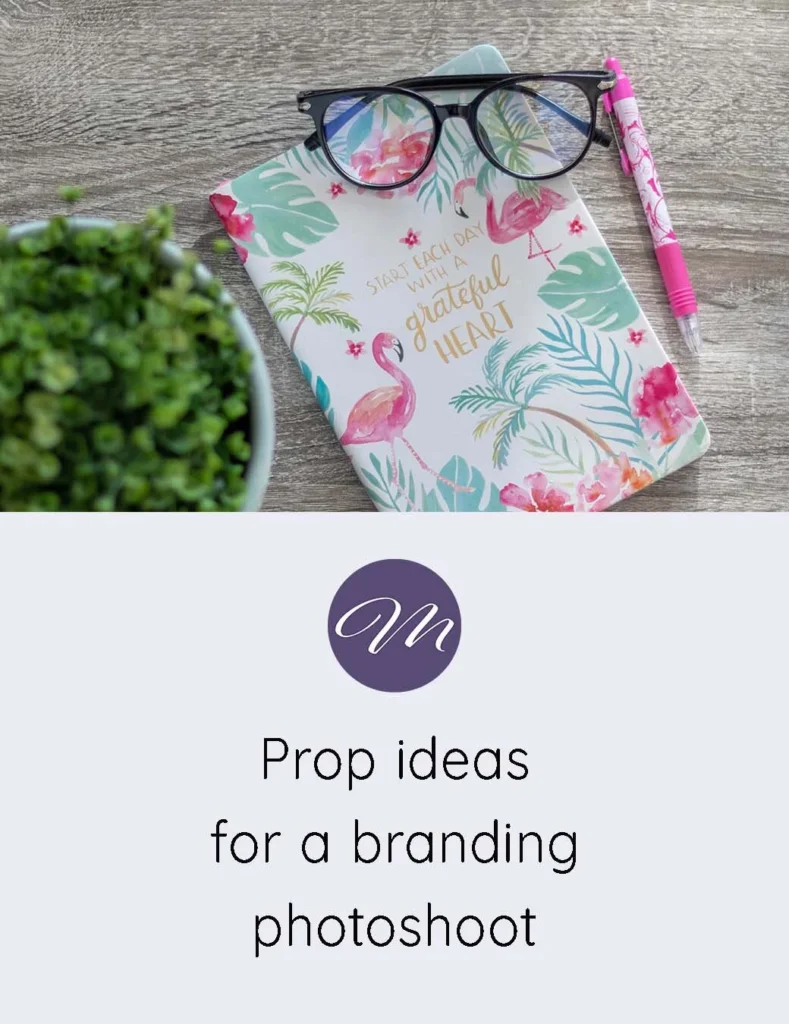
Props should support your story, not distract from it. A laptop, notebook, camera, coffee mug, or product samples can add context, but you don’t need a suitcase full of items. Choose props that represent your work or your personality in a natural way.
For example:
- A designer might bring a sketchbook or tablet
- A coach might bring a journal or favourite book
- A maker might bring tools or materials
- A writer might bring a laptop and a few personal objects
The key is intention. Every prop should have a purpose.
Locations: Choose Spaces That Match Your Brand Mood
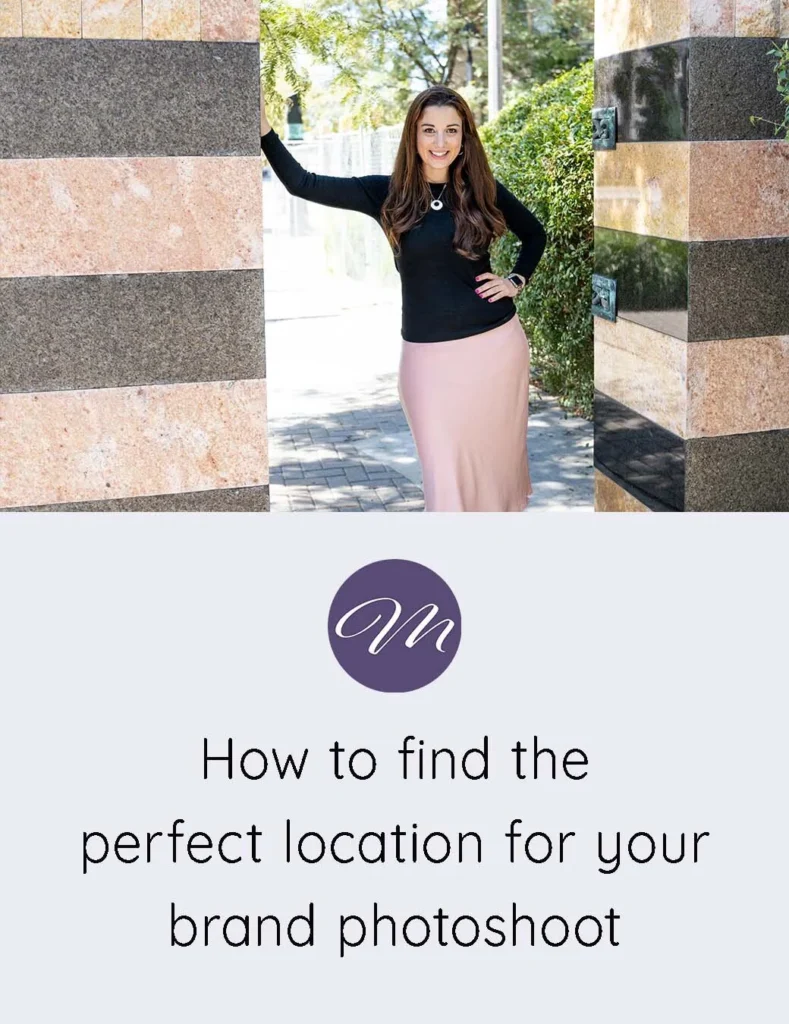
Your location sets the tone of your session. It can be your home, a studio, a café, an outdoor space, or a rented interior. Think about the mood you want to create:
- Clean and modern
- Warm and cozy
- Minimal and airy
- Rustic and textured
- Professional and polished
Natural light is always ideal, and a space with multiple “mini‑locations” (different corners, furniture, textures) gives you more variety without needing to travel.
If you’re unsure, I always help clients choose a location that aligns with their brand story and the emotional tone they want to convey.
Step 3: Trust the Process and Show Up as Yourself
This is the step that makes the biggest difference—and the one most people overlook. You can plan every detail perfectly, but if you show up tense, self‑conscious, or disconnected, the photos won’t feel like you.
A successful branding session requires presence. It requires letting go of the idea that you need to perform or pose your way into the “right” image. The right image comes from authenticity, not perfection.
Here’s what helps:
Give yourself time before the session
Don’t rush in from errands or back‑to‑back meetings. Give yourself space to breathe, ground, and shift into a creative mindset.
Focus on connection, not posing
A good branding photographer will guide you naturally. You don’t need to know how to pose. You just need to be open, curious, and willing to be seen.
Remember why you’re doing this
These photos aren’t about vanity. They’re about visibility. They’re about showing your audience the human behind the business. They’re about stepping into the identity you’ve been building quietly behind the scenes.
Let go of perfection
Your audience doesn’t want a flawless version of you. They want the real you—the one who cares deeply about your work, the one who shows up with heart, the one who brings something meaningful to the world.
When you trust the process, the camera stops feeling like a spotlight and starts feeling like a mirror—reflecting back the version of you that your clients already love.
Before booking a session, read 6 Questions You Should Ask Before Hiring a Brand Photographer.
What Happens After the Session
A successful branding photoshoot doesn’t end when the camera turns off. The real magic happens when you start using your images intentionally.
Here are a few ways to get the most out of your photos:
- Update your website’s homepage and About page
- Refresh your social media profile photos
- Create new banners for Facebook, LinkedIn, or YouTube
- Add images to your email newsletter
- Use them in blog posts, guides, or digital products
- Incorporate them into your launch materials
- Build a cohesive visual identity across platforms
Your branding photos become a visual toolkit—a library of images you can pull from whenever you need to show up professionally and consistently.
Final Thoughts
Planning a successful branding photoshoot doesn’t have to be complicated. When you focus on clarity, intention, and authenticity, the process becomes simple and even enjoyable. Your photos become more than just images—they become a reflection of your story, your values, and the heart of your business.
These three steps—clarifying your brand story, choosing intentional visual elements, and showing up as yourself—create the foundation for a session that feels aligned, empowering, and deeply personal.
And when you see the final images, you’ll recognize yourself in them. Not the polished, posed version you thought you needed to be, but the real you—the one your clients connect with, trust, and want to work with.
This is the quiet magic of branding photography: it gives you permission to inhabit your business more fully. It shows you what your clients already see in you—your presence, your warmth, your expertise, your humanity. It reminds you that you don’t need to perform or perfect anything to be compelling. You just need to show up with honesty and let yourself be witnessed.
When you approach your session with this mindset, the experience becomes more than a task on your to‑do list. It becomes a moment of alignment, a chance to step into the next version of your business with confidence. And long after the session is over, your images continue to work for you—supporting your message, strengthening your brand, and helping the right people find their way to your work.
For even more tips, grab my free guide to help you fully prepare for your next photoshoot.