
Lifestyle imagery for websites is one of the most powerful ways to make your online presence feel personal, warm, and human. When someone lands on your homepage, they’re not just looking for information — they’re looking for connection. They want to know who you are, what you stand for, and whether your energy aligns with theirs. And while words can communicate your values, lifestyle imagery shows them instantly. It creates an immediate emotional impression, offering a glimpse into your world before a visitor reads a single sentence.
Lifestyle imagery is more than “pretty photos.” It’s a visual language that communicates emotion, personality, and intention. It helps your audience feel like they’re stepping into your world rather than browsing a generic template. These images carry subtle cues — your environment, your energy, your movement, your textures — all of which help people understand you on a deeper level. Whether you’re a coach, creative, wellness practitioner, or small business owner, the right imagery can transform your website from polished to personal — and from passive to engaging.
If you’ve ever felt like your website looks “fine” but doesn’t fully express who you are, lifestyle imagery is the missing piece. It’s often the difference between a site that feels visually nice and a site that feels emotionally resonant. And the best part? You don’t need a full rebrand to make a meaningful shift. A handful of intentional images can change the entire feeling of your site, helping your audience feel more connected, more welcomed, and more curious about your work.
Below are five ways to use lifestyle imagery to make your website feel more personal, more connected, and more aligned with your brand’s true energy.
1. Show the Real Environment You Work In
Your environment tells a story — often more honestly than words ever could. When visitors see where you work, create, think, or rest, they immediately understand more about your personality and your process.
A bright studio filled with plants communicates calm and clarity. A cozy home office with soft textures communicates warmth and approachability. A minimal desk setup communicates focus and simplicity. These subtle cues help your audience feel like they’re stepping into your world.
This is why lifestyle imagery works so well: it shows context. It shows the lived‑in details that make your brand feel human.
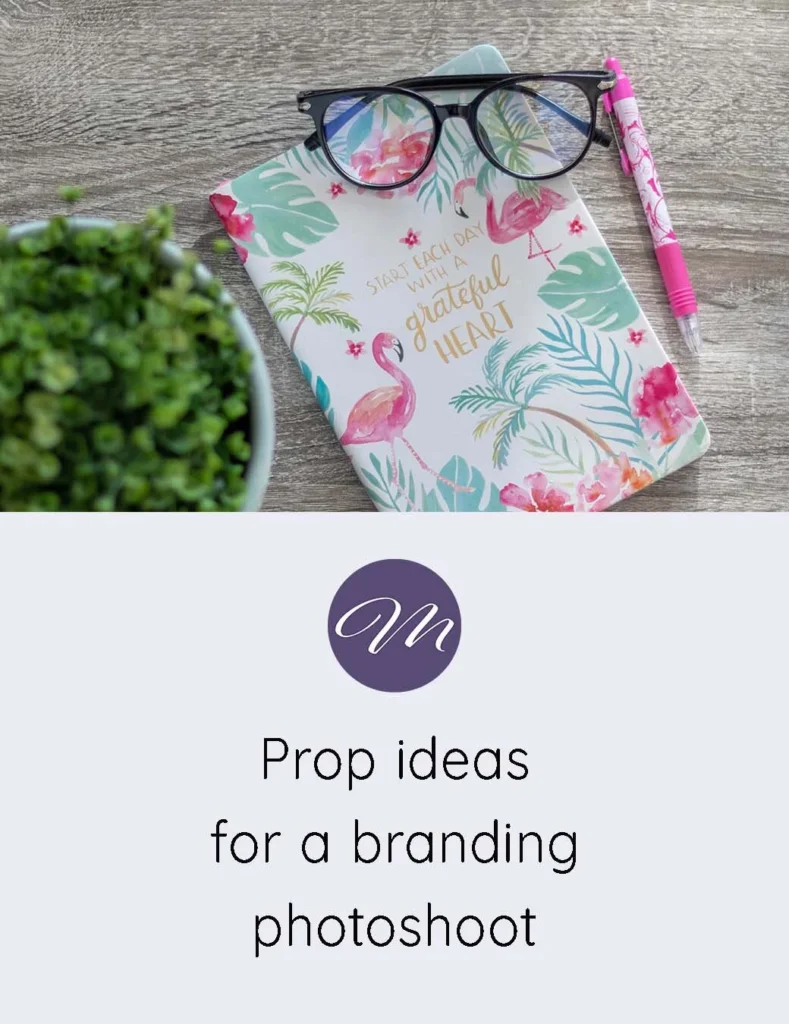
When planning imagery for your website, think about the spaces that feel most “you.” It doesn’t have to be perfect — in fact, it shouldn’t be. A slightly messy desk, a stack of books, a cup of tea, a notebook with handwritten ideas… these details make your brand feel real.
If you want inspiration for how props and environments can elevate your brand photos, explore The Stock Photos Your Brand Has Been Waiting For — a collection designed specifically for wellness, lifestyle, and creative brands who want imagery that feels soft, grounded, and intentional.
Natural light is your best friend here. It softens the mood, adds warmth, and creates a sense of openness. Even if you’re shooting indoors, positioning yourself near a window can transform the entire feeling of the image.
When your audience sees your real environment, they feel like they’re getting to know you — not just your brand.
2. Capture Movement and Everyday Moments
Movement brings life to your website. Static poses can feel stiff or overly formal, but lifestyle imagery thrives on spontaneity — reaching for your notebook, adjusting your camera, walking through your space, laughing mid‑conversation, or pouring a cup of coffee.
These micro‑moments communicate energy and personality far more than a perfectly posed portrait ever could.
Movement also breaks visual monotony. When your website includes images with motion, it creates rhythm and flow. It keeps visitors engaged and curious.
If you’ve ever felt like your website looks “too posed,” adding movement‑based lifestyle imagery is the solution.
Try capturing:
- transitional moments (walking, turning, reaching)
- hands interacting with objects (typing, writing, holding a mug)
- natural gestures (laughing, thinking, stretching)
- behind‑the‑scenes snippets (setting up your workspace, reviewing notes)
These images feel alive — and when your imagery feels alive, your brand feels alive too.
If you want to explore more ideas for movement‑based imagery, The Most Useful Types of Branding Photos breaks down the categories of photos that help your audience connect more deeply with you.
3. Highlight Human Connection
Even if your business is primarily online, your audience wants to see a connection. They want to see how you interact with clients, collaborators, or even yourself.
Photos that show interaction — shared laughter, thoughtful conversation, teamwork, or collaboration — instantly humanize your brand. They remind visitors that your work is relational, not transactional.
For service‑based brands, this might look like:
- guiding a client through a process
- reviewing notes together
- brainstorming ideas
- demonstrating a technique
For product‑based brands, this might look like:
- someone using your product naturally
- hands interacting with textures
- lifestyle scenes that show your product in real life
For personal brands, this might look like:
- moments of reflection
- gentle joy
- emotional depth
- quiet confidence
Connection is the heartbeat of lifestyle imagery. It’s what turns a website into a story people want to be part of.
If you’re building a brand that feels deeply personal and aligned, you’ll love Building a Creative Business That Feels Like You — it explores how to create a brand that feels emotionally resonant and true to your values.
4. Use Color and Light to Reflect Emotion
Lifestyle imagery isn’t just about what’s in the frame — it’s about how the frame feels.
Color and light shape emotion. Soft neutrals and natural light create calm and openness. Warm tones evoke comfort and trust. Cooler hues suggest professionalism and focus.
When planning imagery for your website, think about the emotional experience you want visitors to have. Do you want them to feel inspired, soothed, energized, or grounded?
Practical ways to align color and emotion:
- choose a consistent palette that matches your brand tone
- use natural light sources to avoid harsh contrast
- incorporate textures like linen, wood, plants, or ceramics
- avoid overly saturated colors unless they’re part of your brand identity
Your imagery should feel like an extension of your brand’s personality — not just decoration, but atmosphere.
5. Tell a Story Through Visual Flow
Every image should serve a purpose. Together, they should tell a cohesive story.
Think of your website as a visual narrative:
- the hero image introduces your energy
- the about section deepens the connection
- the services or shop pages show your work in action
- the contact section closes with warmth and invitation
Lifestyle imagery helps guide visitors through that story intuitively.
To create flow:
- use a mix of wide shots and close‑ups
- keep visual consistency in tone and editing
- alternate between portraits and environmental shots
- place images intentionally to guide the eye
When your imagery feels intentional, visitors don’t just scroll — they journey.
Why Personal Imagery Converts Better
Authenticity builds trust, and trust drives action.
When people see real, relatable imagery, they’re more likely to stay longer, explore deeper, and ultimately book or buy. Lifestyle imagery activates emotional resonance. It helps your audience imagine themselves in your world. They don’t just see your brand; they feel it.
That emotional connection is what turns curiosity into commitment.
Common Mistakes to Avoid
Even beautiful photos can lose impact if used incorrectly. Avoid:
- over‑editing
- inconsistent editing styles
- generic stock photos
- ignoring accessibility (alt text matters)
- cluttered layouts
Authenticity is the goal, not perfection.
How to Source Lifestyle Imagery That Fits Your Brand
If you’re not ready for a full photoshoot, curated stock collections can be a beautiful starting point — especially when they’re designed for wellness, lifestyle, and creative brands.
Look for collections that emphasize natural light, emotional tone, and diversity. Avoid anything that feels overly posed or commercial.
When choosing stock photos:
- prioritize images that match your brand palette
- select photos that feel emotionally aligned
- mix custom photography with stock for balance
If you want visuals that already embody this aesthetic, explore my curated collection here:
These images are designed to help your website feel more personal, grounded, and human — without needing a full photoshoot.
The Emotional Layer
Lifestyle imagery isn’t just about showing what you do — it’s about expressing who you are. When your website feels personal, visitors sense your presence even before they read a word. They feel the calm in your colors, the warmth in your light, the authenticity in your expressions.
That’s the power of visual storytelling. It bridges the gap between you and your audience, turning your brand into an experience that feels human, not transactional.
Final Thoughts
Making your website feel personal isn’t about adding more — it’s about adding meaning. Lifestyle imagery gives your brand a heartbeat. It reminds people that behind every product, service, or idea, there’s a person with intention and care.
Whether you’re updating your homepage or planning a full rebrand, start with imagery that feels real. Show your world as it is — calm, creative, and deeply human.
Because when your visuals feel personal, your audience feels seen.
If you’re ready to elevate your website with lifestyle imagery that feels aligned and intentional, explore my curated stock photo collections here: